Home
Photo album

Bergen

- the most beautiful city in the World!

Interactive map

web-Cam

Look at this Amazing slide-show from Bergen.

Find the most famouse sights in beautiful Bergen on this interactive Google Map.

 Other Photo albums

Bergen, the second largest city in Norway, is located in the county of Hordaland. The population of Bergen is 256 507 (Jan. 2010). The city is located on the south-western coast of Norway with its center situated between a group of mountains known as “de syv fjell” (the seven mountains). Bergen is recognized as the unofficial capital of the region known as West Norway, and also recognized and marketed as the gateway city to the world famous fjords of Norway and for that reason it has become Norway's largest – and one of Europe's largest cruise ship ports.


The city of Bergen was founded by King Olav Kyrre in the year 1070 AD. Bergen celebrated its 900th anniversary in 1970. It was considered to be Norway's capital in the 13th century until 1299. Bergen is widely regarded as the most beautiful city of Norway. Bergen belongs to the exclusive group of cities listed by UNESCO as part of the world heritage, through its characteristic old wooden waterfront, Bryggen with a number of old, wooden houses from the early 18th century, the product of rebuilding after a fire in 1702.


A popular tourist attraction is the open air fishmarket along the harbour. Strolling around in Bergen will generally reveal areas of very differing architecture. Bergen is also an important cultural centre in its region and in Norway, maybe best known for hosting the annual Bergen International Festival (Festspillene i Bergen).


Photos from Bergen on Google Earth here. More information here, here and here. Download citymap here.

click on the photos!  
 

View of Bergen from Mount Ulriken

Mount Ulriken (643 metres above sea level) is the highest of the seven mountains (“de syv fjell”) that surround Bergen. Ulriken has an cable-car that can bring people to the top. At the top there is a TV tower and a restaurant.

View from Mount Ulriken

A great view of the city a beautiful afternoon in November.

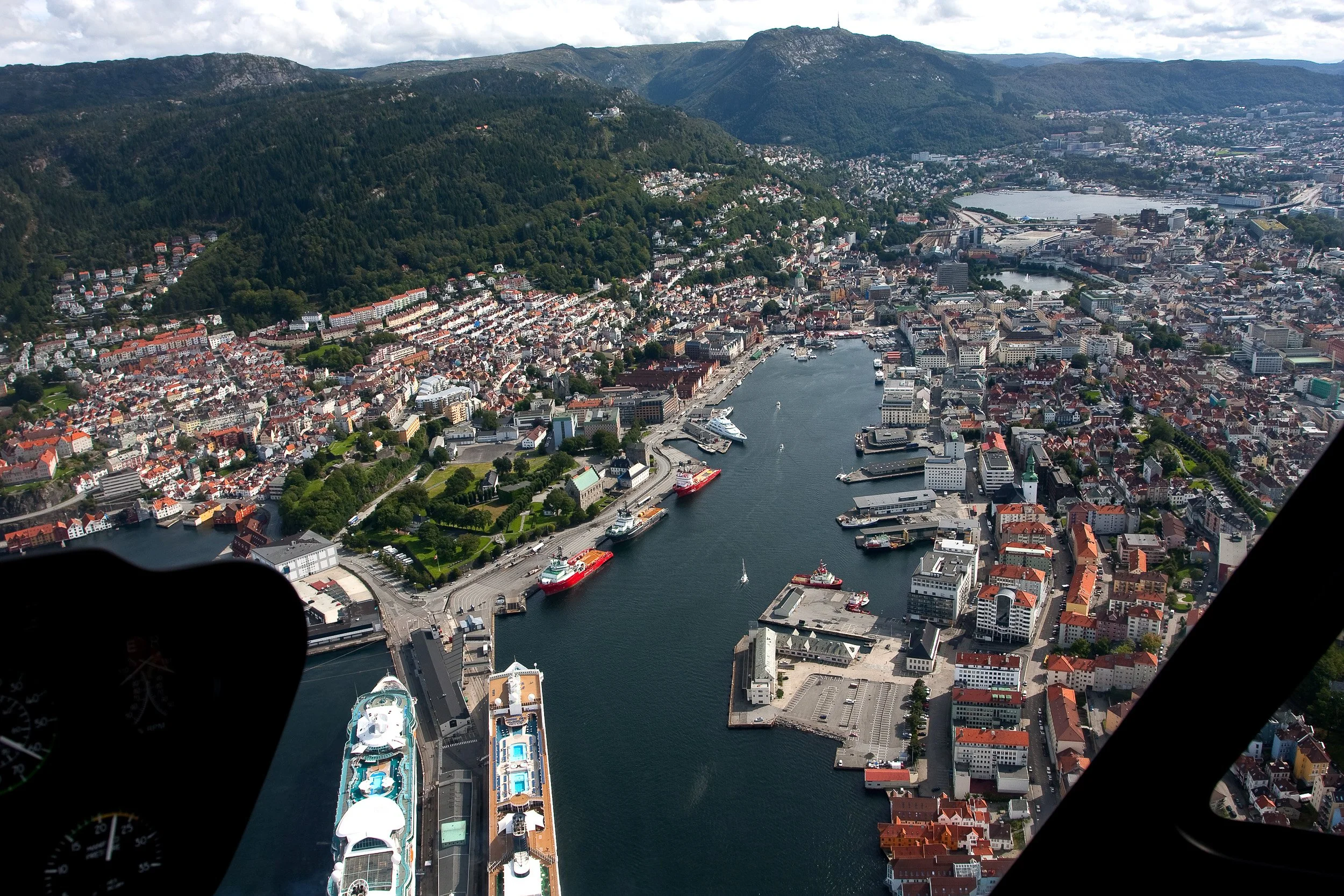
View from the air

View of Bergen from the air (chopper) in August 2009.

View from the air

View of Bergen from the air (chopper) in August 2009.

View of Bergen from Mount Fløyen

If you're looking for one of the best view over the city you should include a trip on famous Funicular. It will take you from the city center to the top of the Mount Fløyen. Then you'll be 320 meters above sea. Check out the magnificent views over the surroundings islands. Numerous paths offer easy walks through beautiful woodland terrain with lakes and mountains. During the summer the restaurant on top of Mount Fløyen is open daily.

View from Mount Fløyen

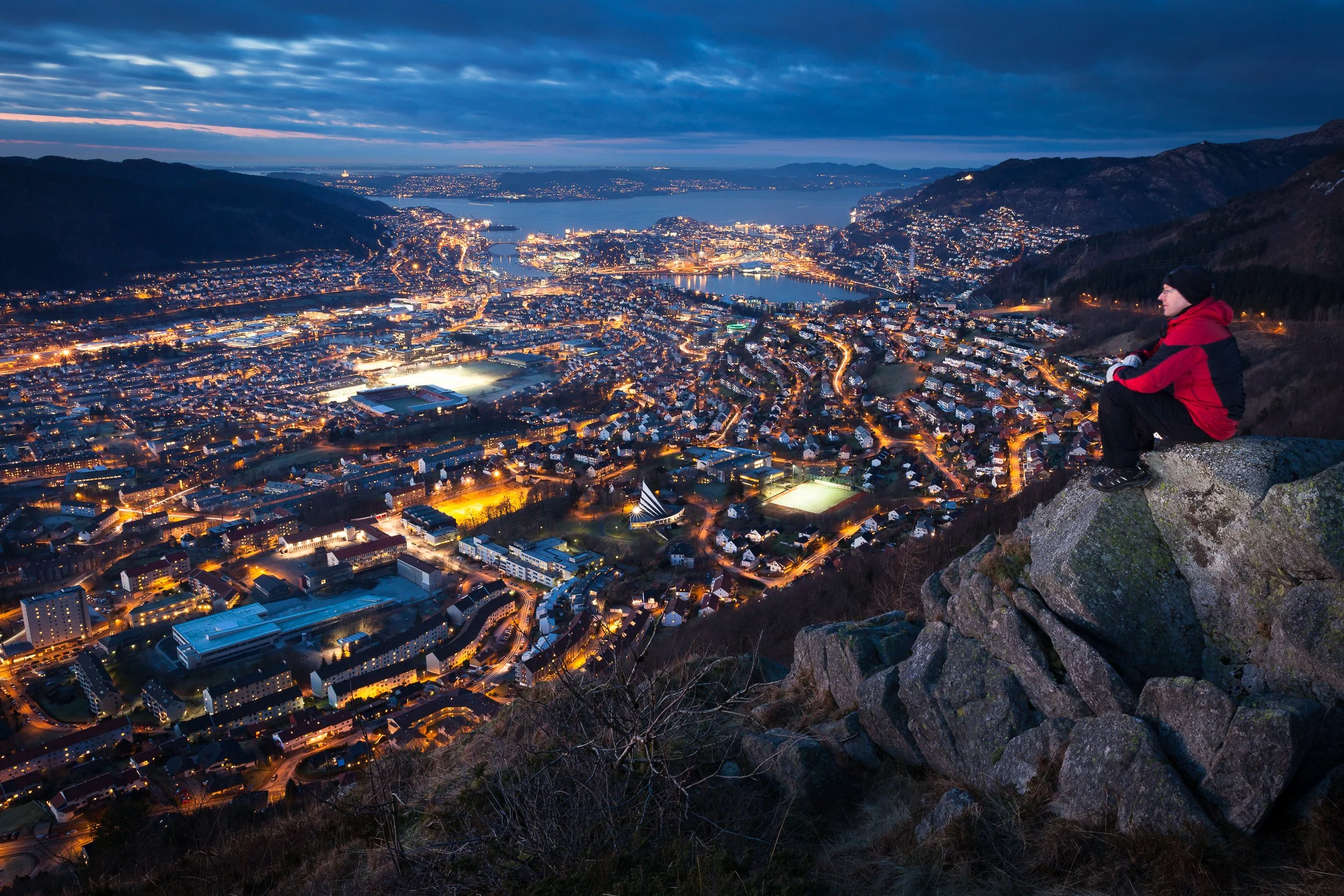
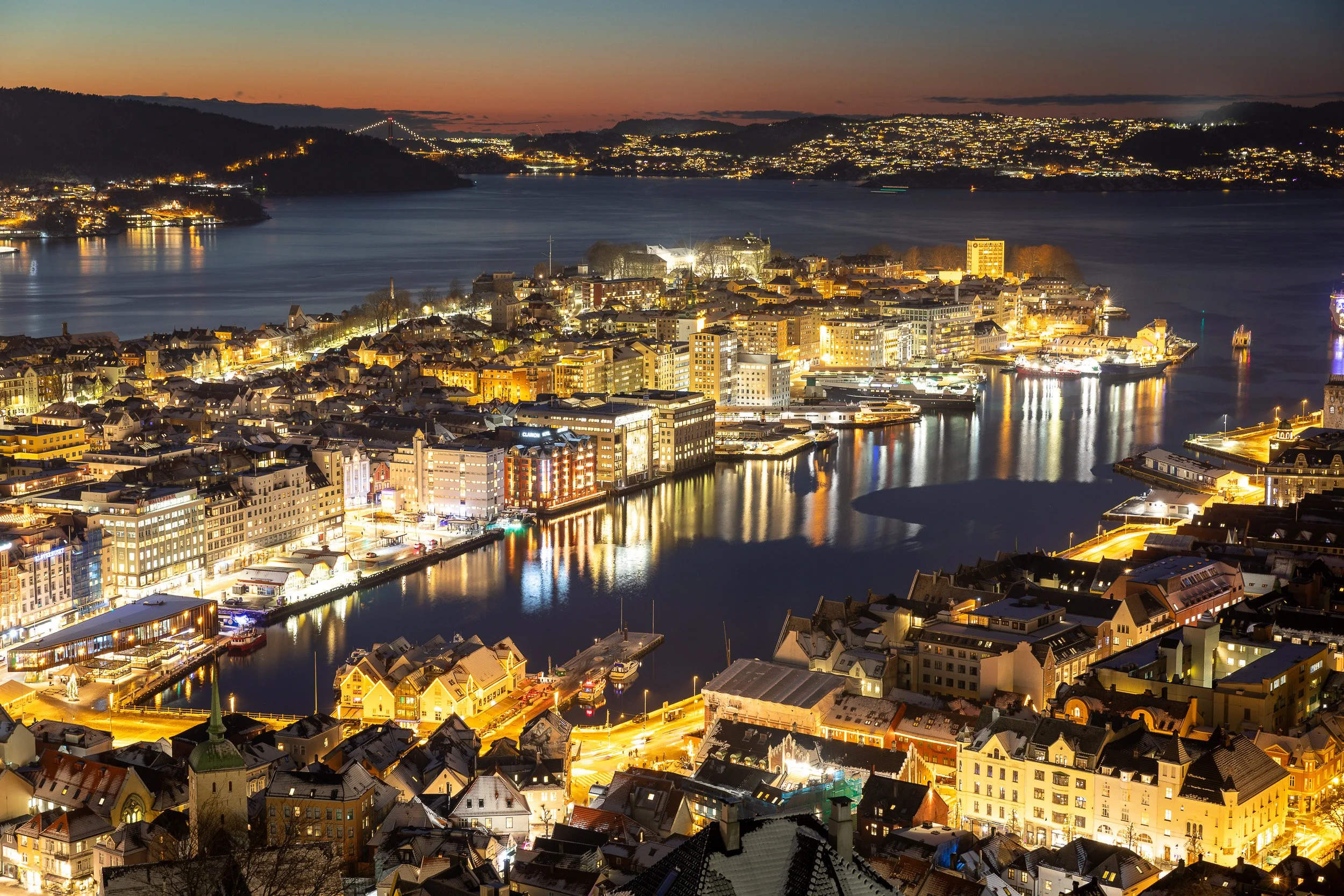
Bergen by night.

View from Mount Fløyen

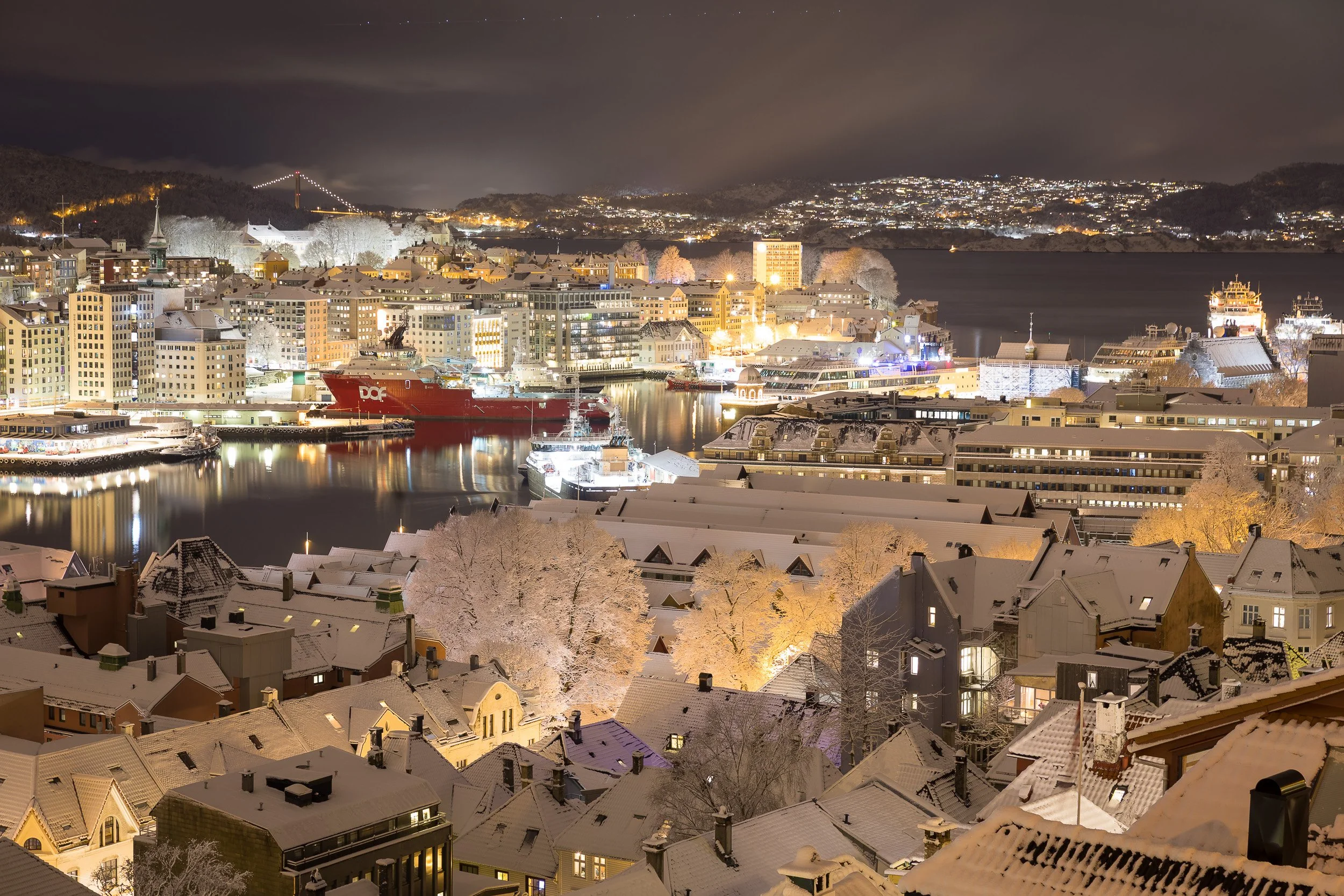
Great view of Bergen and toward the oil drilling platform at Ågotnes a nice winter evening in February 2010.

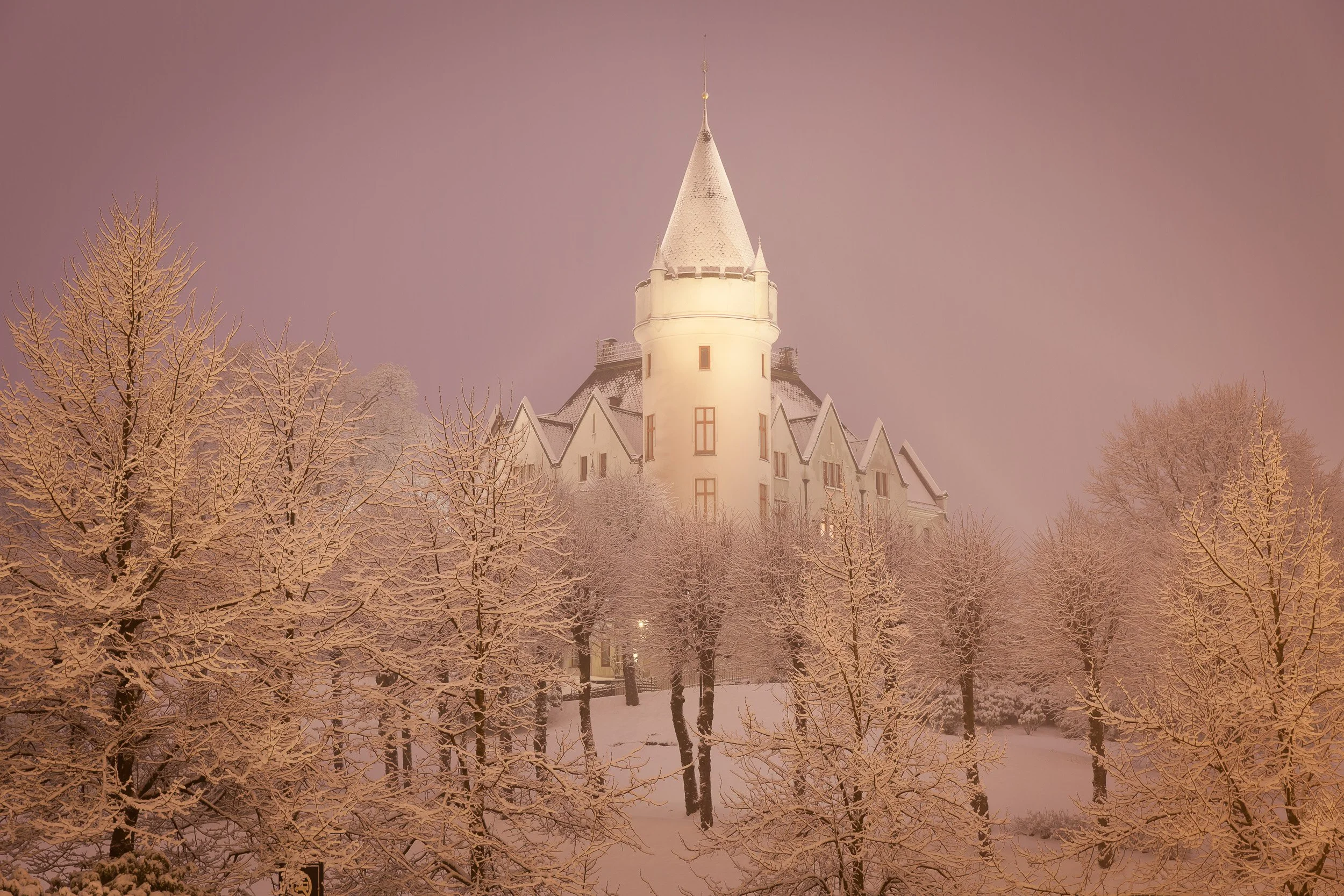
Gamlehaugen

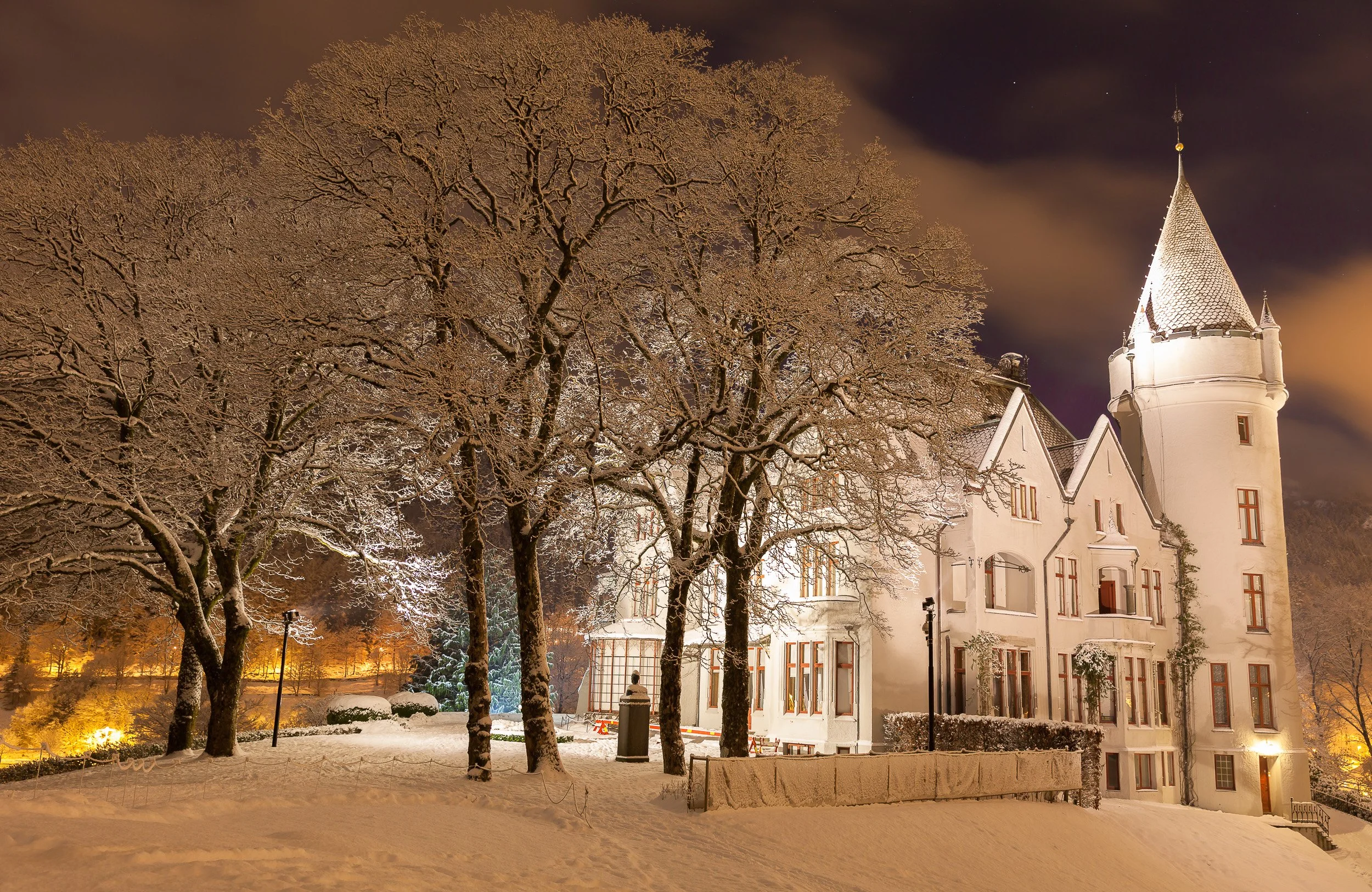
Gamlehaugen is the official residence of the King of Norway when he is in Bergen. It is the former home of ship owner and prime minister Christian Michelsen. The building was erected in 1900 and given to the Norwegian state as a royal residence, museum and "national property" in 1925.

Gamlehaugen

Gamlehaugen

Gamlehaugen a beautiful winter night i February 2008.

Mount Ulriken

Ulriken (643 metres above sea level) is the highest of the seven mountains (“de syv fjell”) that surround Bergen. Here you can see the cable-car that brings people to the top.

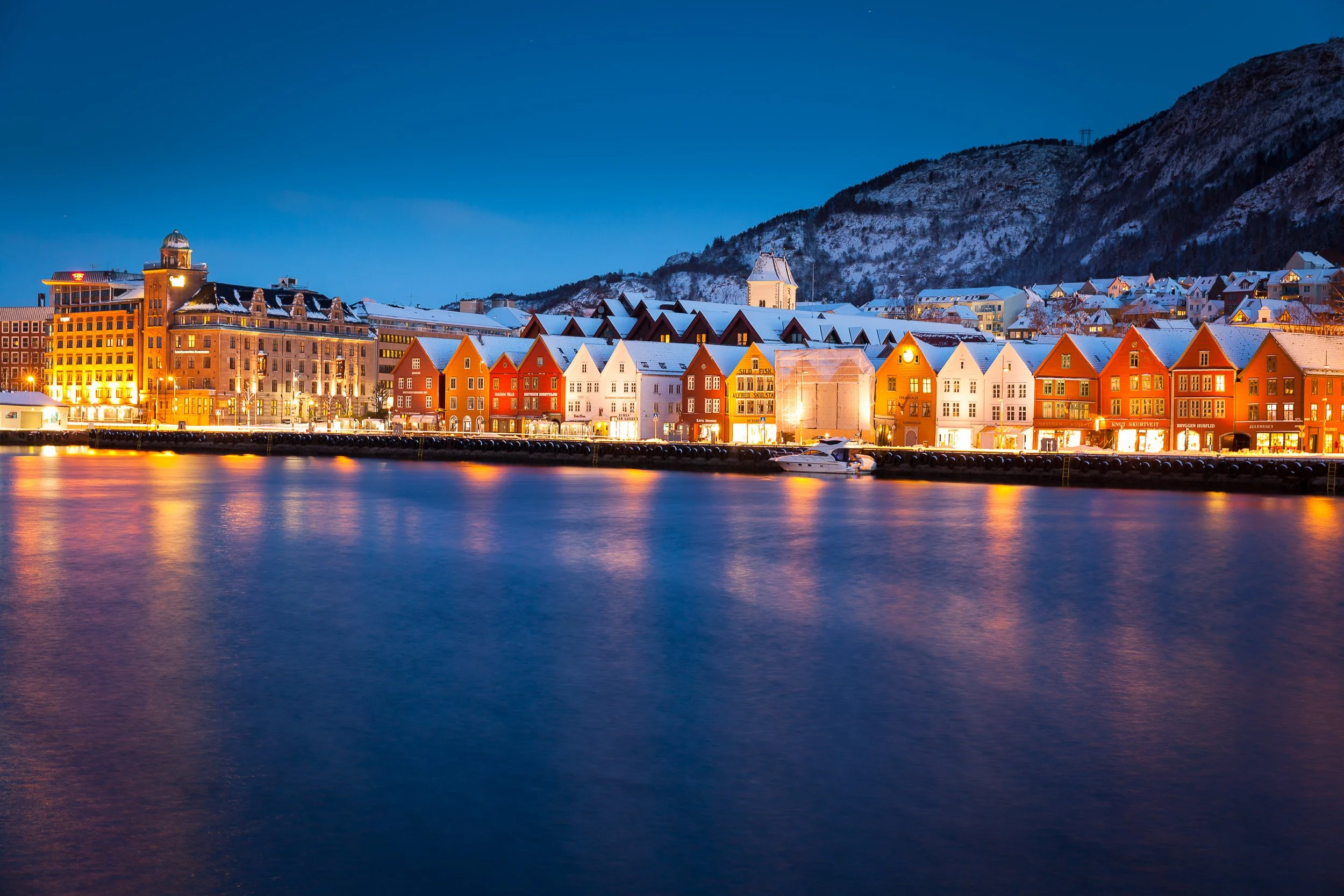
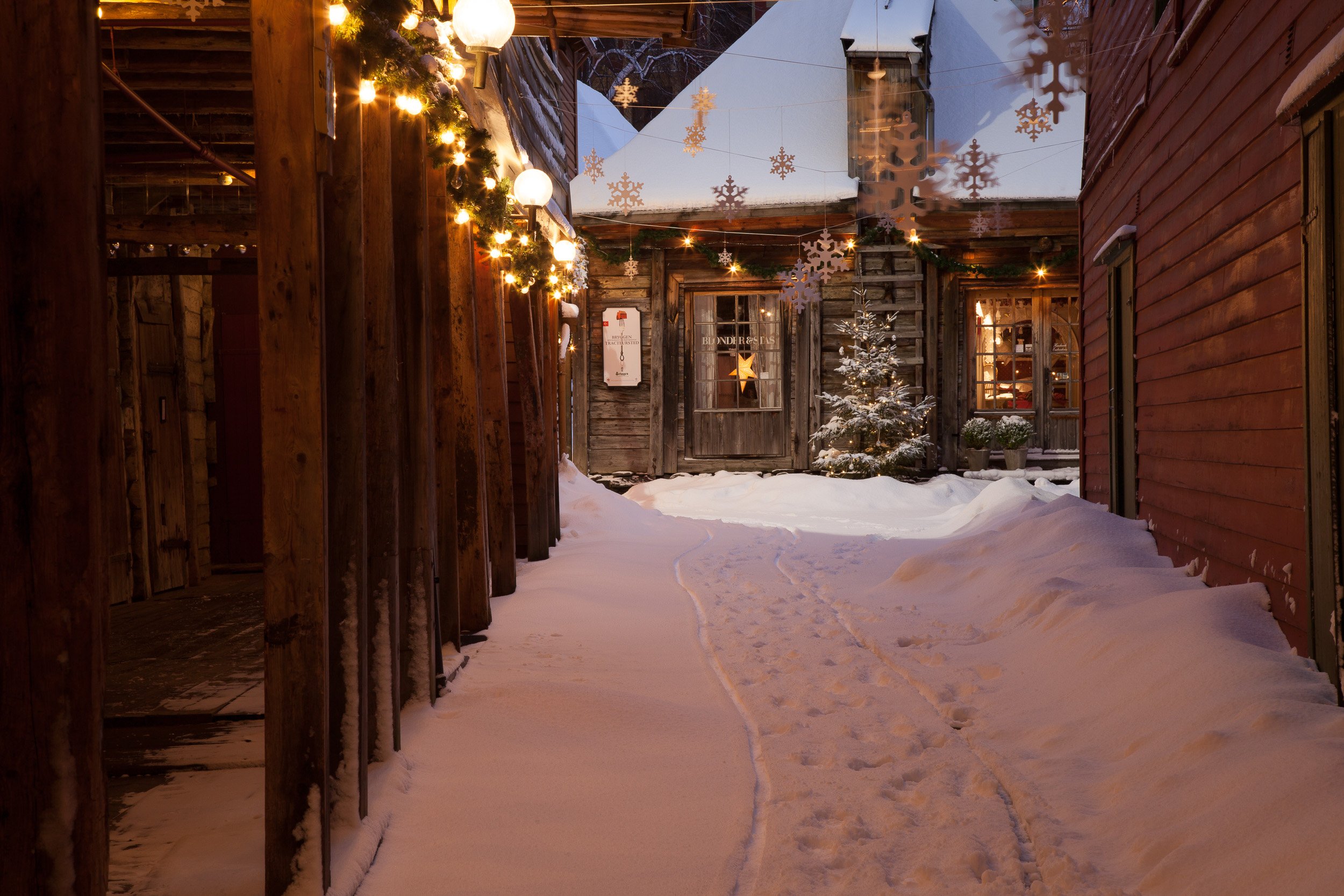
Bryggen

Bryggen also known as Tyskebryggen ("the German Wharf") is a series of Hanseatic commercial buildings lining the eastern side of the fjord coming into Bergen. Bryggen is on the UNESCO list for World Cultural Heritage sites. The city of Bergen was founded in 1070. In 1360 a Kontor of the Hanseatic League was established there, and as the town developed into an important trading centre, the wharfs were improved.

Bryggen

The administrative buildings of Bryggen housed clerks from many areas, especially Germany. The warehouses were filled with goods, particularly fish from northern Norway, and cereal from Europe. Throughout history, Bergen has experienced many fires, since, traditionally, most houses were made from wood.

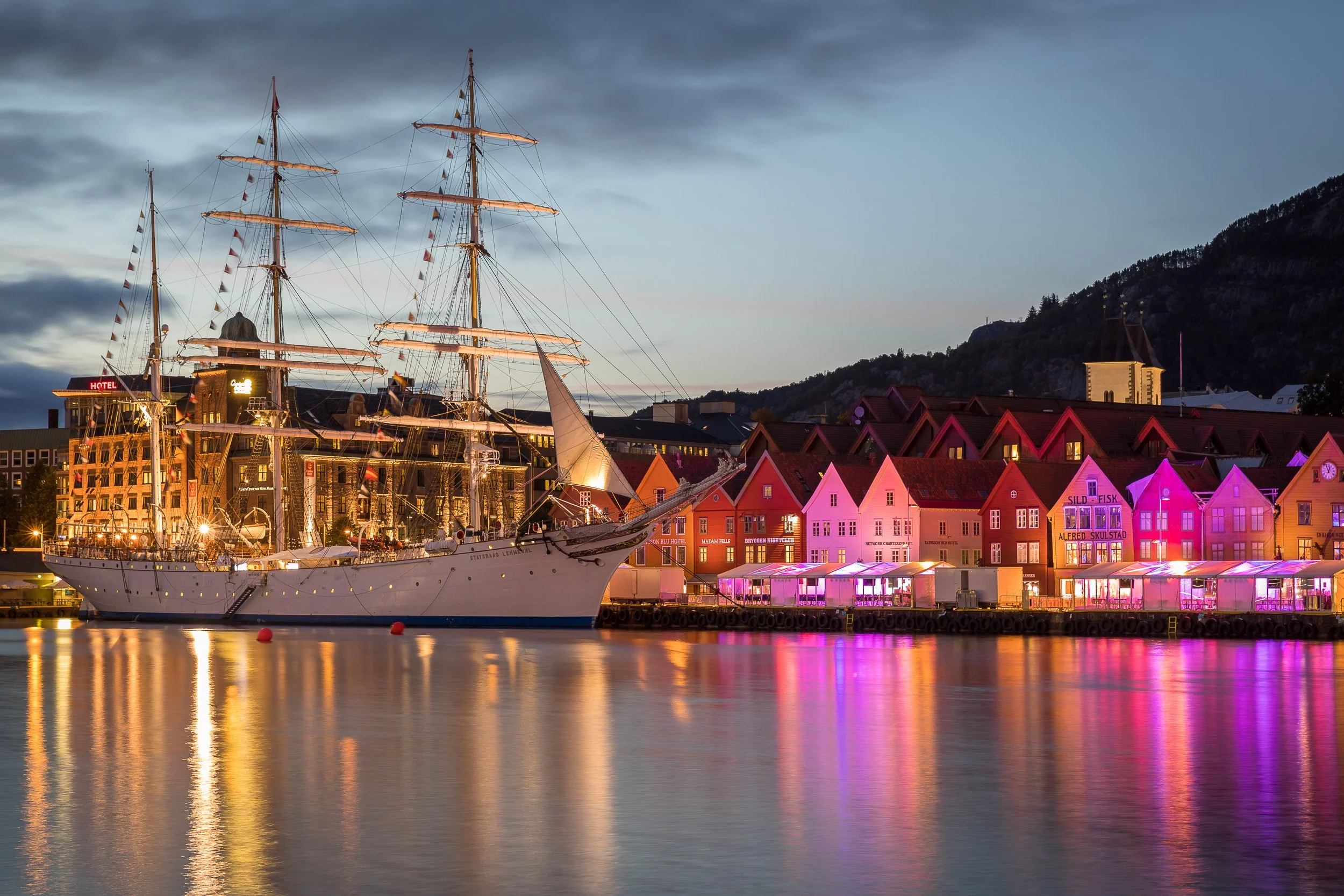
Statsraad Lehmkuhl

The Statsraad Lehmkuhl is a three-masted barque rigged sail training vessel owned and operated by the Statsraad Lehmkuhl Foundation. It is based in Bergen, Norway and contracted out for various purposes, including serving as a school ship for the Royal Norwegian Navy. It was built in 1914 as a school training ship for the German merchant marine under the name «Grossherzog Friedrich August».

Statsraad Lehmkuhl

Statsraad Lehmkuhl

Vågen

Bergen Harbour

Bergen Harbour

Bergen is known as "the Fjord Capital" and "the Gateway to the Fjords of Norway" as well as being a well-established cruise port. Bergen has in addition regular calls by cruise ferries from England, Denmark, Iceland and the Faeroe Islands. Every day, throughout the year, the famous Coastal Steamer "Hurtigruten" starts and ends its popular round trips to the North Cape (Kirkenes and the Russian border) in the port of Bergen.

Bergen Harbour

Troldhaugen - home of Edvar Grieg

Troldhaugen was the home of Norwegian composer Edvard Grieg. His and his wife's ashes rest inside a mountain tomb near the house. The house itself and its surroundings are now a Grieg museum. Edvard Grieg himself called the building "my most important composition," although the building was designed by his cousin, the architect Schak Bull. The name comes from Trold meaning "Troll" and Haug meaning "small hill". In 1985 a small concert hall was built in the valley. Below the concert hall lies Grieg's small Composer's Hut.

View from Troldhaugen

Sunset view from Troldhaugen a beautiful afternoon in December.

View of Bergen

From Fjellveien.

View of Bergen

From Starefossen

View of Bergen

The city is divided into 8 boroughs: Arna, Bergenhus, Fana, Fyllingsdalen, Laksevåg, Ytrebygda, Årstad and Åsane. Here we see Årstad.

View of Bergen

From Mount Natland (Natlandsfjellet)

St. Mary Church

Mariakirken (Norwegian name) is the oldest building in Bergen. The church is from the first half of the 12th century, and one of the most outstanding Romanesque churches in the country.

St. Mary Church

Mariakirken a beautiful winter night in February 2008.

The funicular up to Mount Fløyen

Visitors to Bergen should not miss the ride with the funicular up to Mount Fløyen, where one is rewarded with a splendid view over the city and the fabled seven mountains. Fløibanen’s lower station (showed on this photo) is located in the centre of Bergen, just a short walk from two of Bergen’s other famous attractions, the Fish Market and Bryggen.

The funicular up to Mount Fløyen

Don't miss out on a visit to Bergen's most popular attraction. A ride on the Fløibanen Funicular is a real must. The funicular runs on rails and has two carriages - Rødhette (in red) and Blåmann (in blue). Each carriage has capacity for up to 100 passengers. The modern design carriages have ceilings of glass to afford the best views, and take you up the mountainside at a speed of 4.2 metres per second.

The funicular up to Mount Fløyen

Bergen by night

View from Fjellveien. This photo is used as the front cover on a book from the famous Norwegian author Gunnar Staalesen (French translation of "1999 Aftensang”).

Autumn at Fløyen

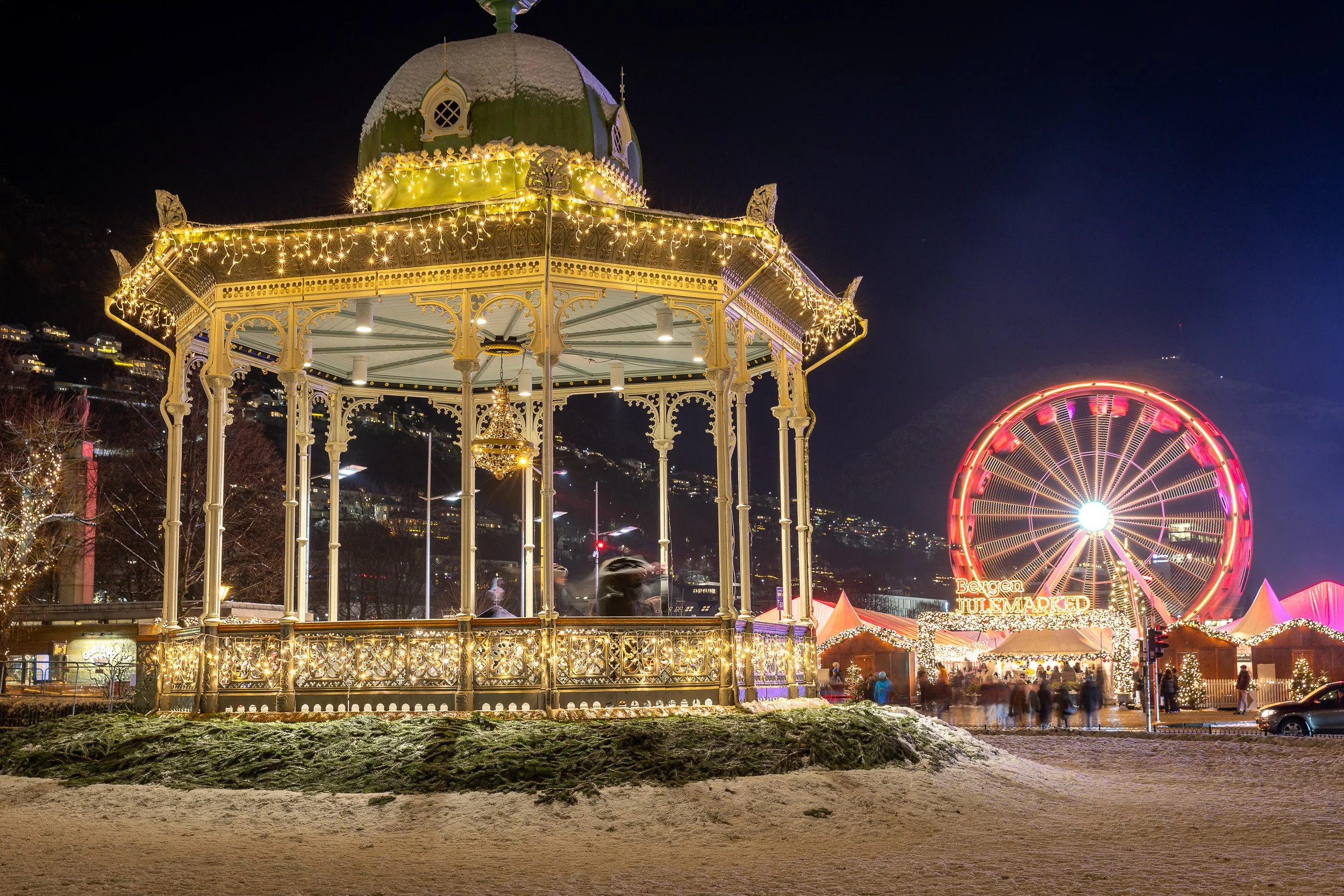
Music Pavilion

Lille Lungegårdsvann

Bergen Cathedral (Domkirken)

The Bergen Cathedral has a long and turbulent history, but for almost 900 years people have worshipped here. The first church was dedicated to "Olav the Holy", Norway's patron saint.

Vågsalmenningen

The statue of Ludvig Holberg at Vågsalmenningen. Ludvig Holberg (16841754) was a Dano-Norwegian writer and playwright born in Bergen.

View of Bergen

From Skansen.

View of Bergen

From Skansen.

View of Bergen

From Skansen by night.

Ole Bulls plass

In 1917 this area was named after the violinist and composer Ole Bull. At this photo you see the most well-known meeting places in Bergen: The Blue Stone. This work of art is created by Asbjorn Andersen.

Ole Bull plass

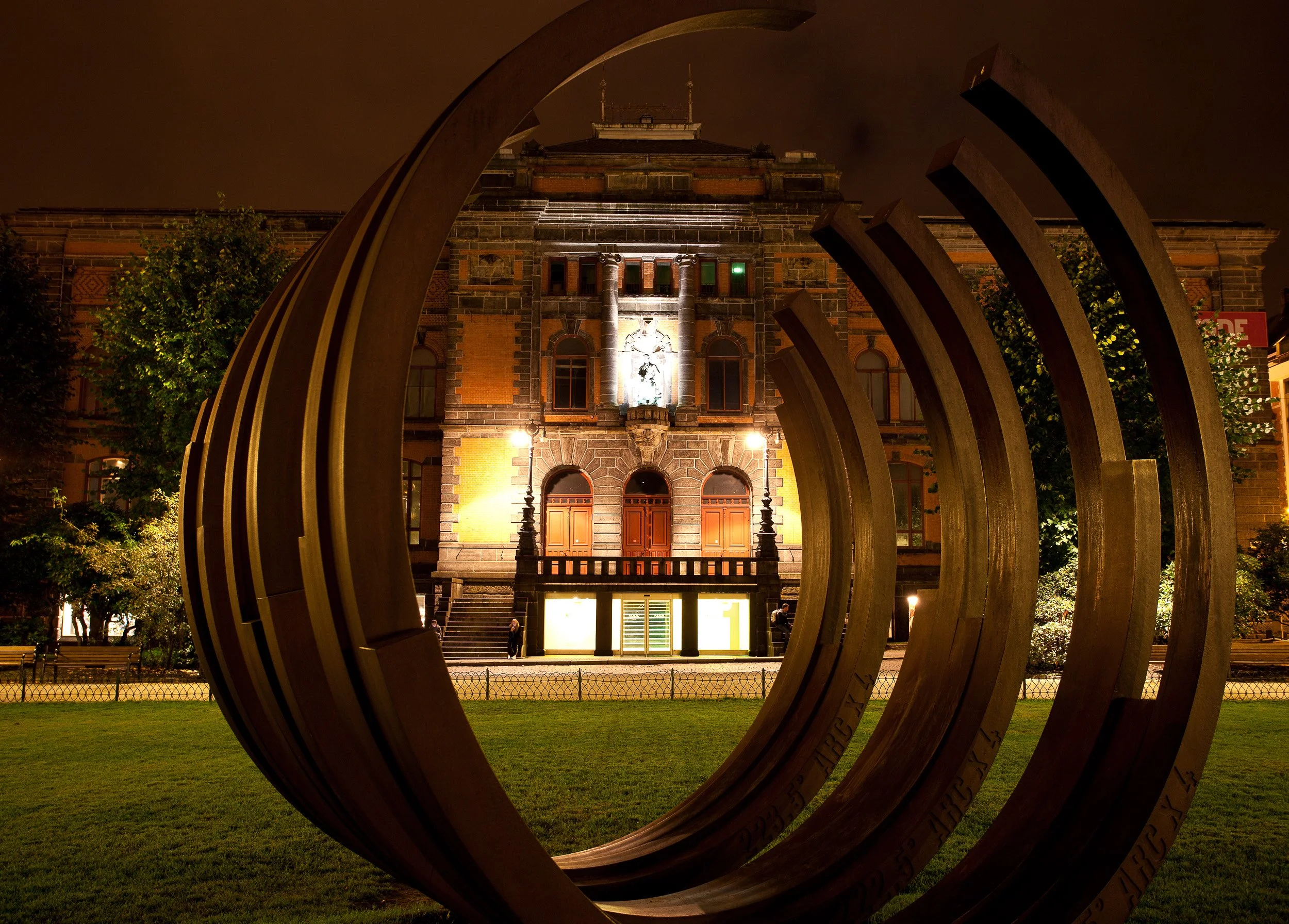
Den Nationale Scene

The National Venue of Theatre is Norway's oldest permanent theatre with roots dating back to Det Norske Theater founded in 1850 by the Norwegian violinist Ole Bull. The theatre was founded to develop Norwegian playwrights and Henrik Ibsen was one of the first writer-in-residences and art-directors of the theatre.

Marken

Wooden houses in Bergen.

Main square Torgalmenningen

Torgallmenningen is one of the most popular meeting places in Bergen. The square is located between Strandgaten and Ole Bulls plass. It got it's name after the big fire in the 1702. Events like the Bergen Game Festival and concerts takes place here.

Bergen railway station

The Bergen Railway Station in Bergen, Norway is the end station on Bergensbanen. The station was opened in 1913 four years after Bergensbanen itself opened. The station building is one of the grandest in Norway. The building was protected against facade modifications in 2003. The station has four platforms.

St. John's Church

Johanneskirken - built in 1894. Johanneskirken is one of the finest neo-Gotic churches in Norway.

Rosenkrantz Tower

Rosenkrantz Tower dates back to medieval times. The tower was erected by the governor of Bergen Castle (Bergenhus), Erik Rosenkrantz, and served as a combined residence and fortified tower to Bergen. Earlier structures existed King Magnus Lagabøter’s (Magnus the Lawmender) keep from about 1270 and Jorgen Hansson’s defences from about 1520. Both these were incorporated by Erik Rosenkrantz. The view of the sea front is amazing.

Håkon's Hall

Håkon's Hall has taken its name from its first builder, King Håkon Håkonsson, and was erected between 1247 and 1261. The hall was the largest and most imposing building in the royal residence at "Holmen" (the holm), the political centre of the 13th-century Norwegian kingdom. It was obviously built for the great occasions in the history of the monarchy and the realm, but also for practical daily use.

Sverresborg

Sverresborg by night.

Statue of Ole Bull

Ole Borneman Bull (February 5, 1810 August 17, 1880) was a Norwegian violinist, often called Norway's first international star. Bull was born in Bergen. His father wished him to be a minister, but he preferred a musical life. When four or five years old, he could play all the songs he heard his mother sing on the violin, and when nine, he played first violin in the Bergen Theatre orchestra, and was soloist with the Bergen Philharmonic Orchestra.

The Grieg Hall

The Grieg Hall (Norwegian: Grieghallen) is a 1,500 seat concert hall in Bergen. It has been the home of the Bergen Philharmonic Orchestra since the hall's completion in 1978. It hosted the Eurovision Song Contest in 1986. The hall is named after Bergen-born composer Edvard Grieg, who was music director of the Bergen Philharmonic Orchestra from 1880 until 1882.

Bergen Harbour by night

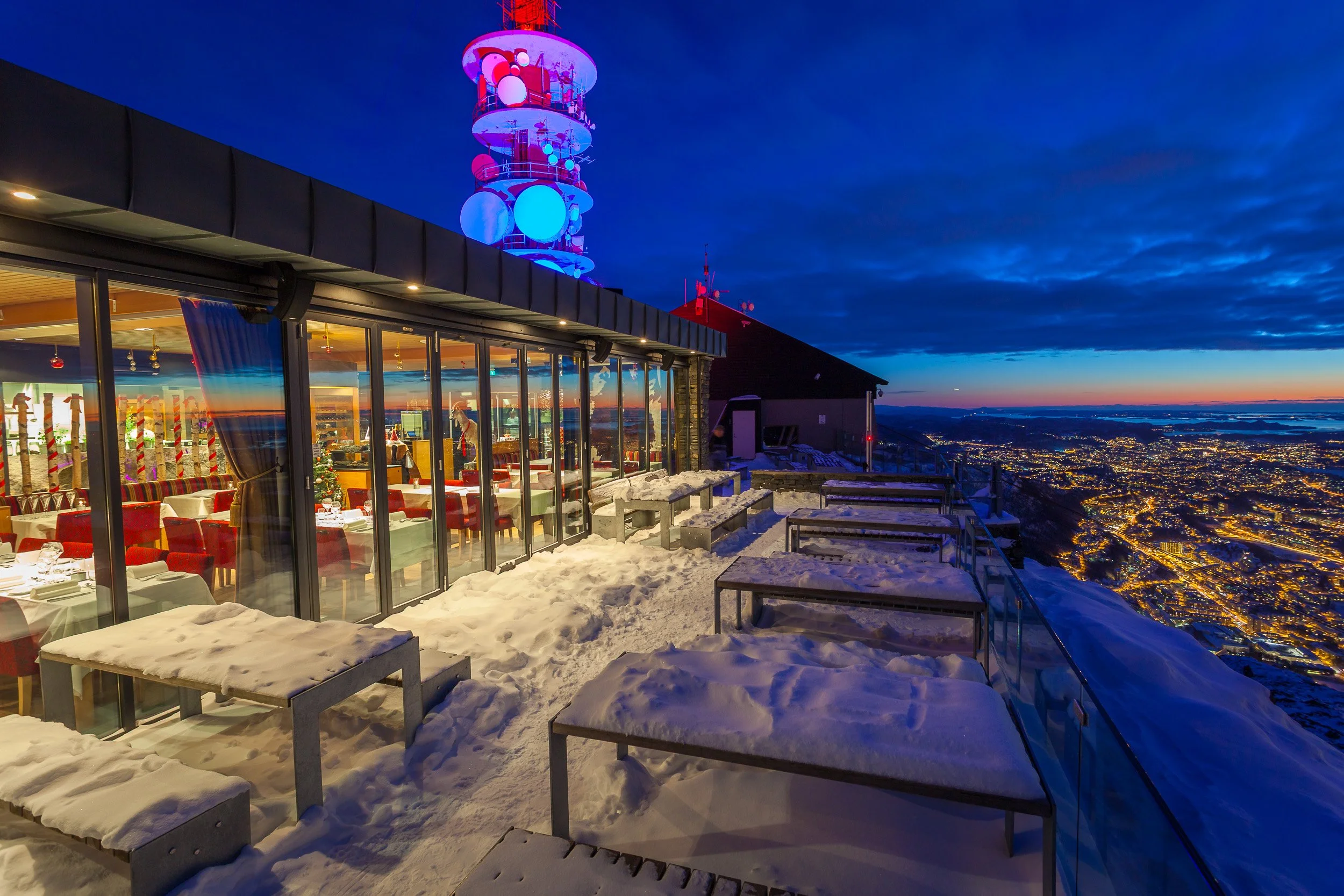
The restaurant at Mount Fløyen

Bergen Harbour

Nygårdstangen by night.

This photo has been presented in the flight magazine to the Norwegian airline company, look here.

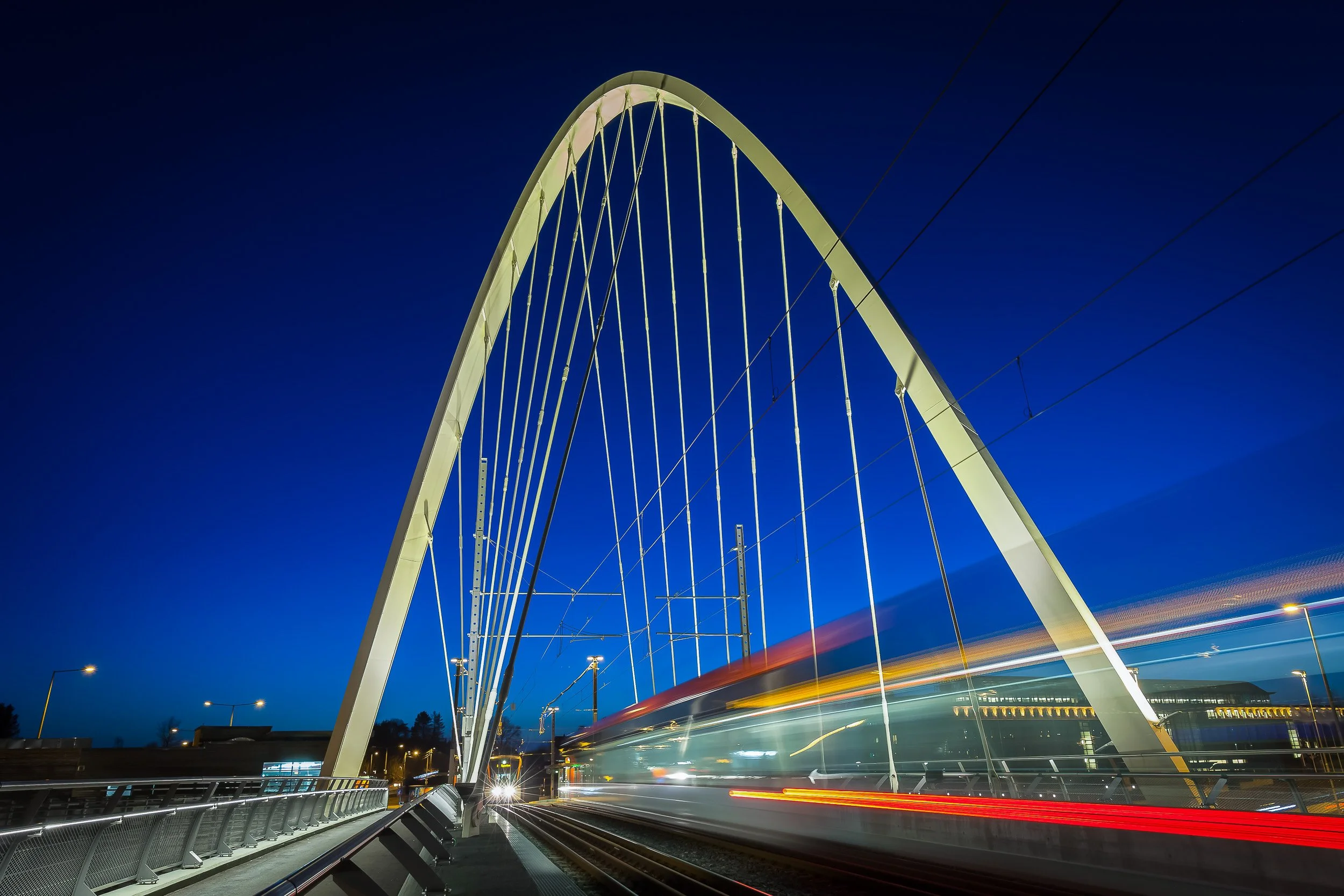
Puddefjordsbroen

Nygårdsparken

Autumn in Nygårdsparken. Nygårdsparken is a public park located in the city centre of Bergen, Norway, between the neighbourhoods of Nygård and Møhlenpris. Nygårdsparken is the largest urban park in Bergen.

Nygårdsparken

Nygårdsparken

Photo from Nygårdsparken used in the programme for the Bergen International festival (Festspillene i Bergen) 2009.

View of Nygårdsparken

View of Nygårdsparken from the air (chopper).

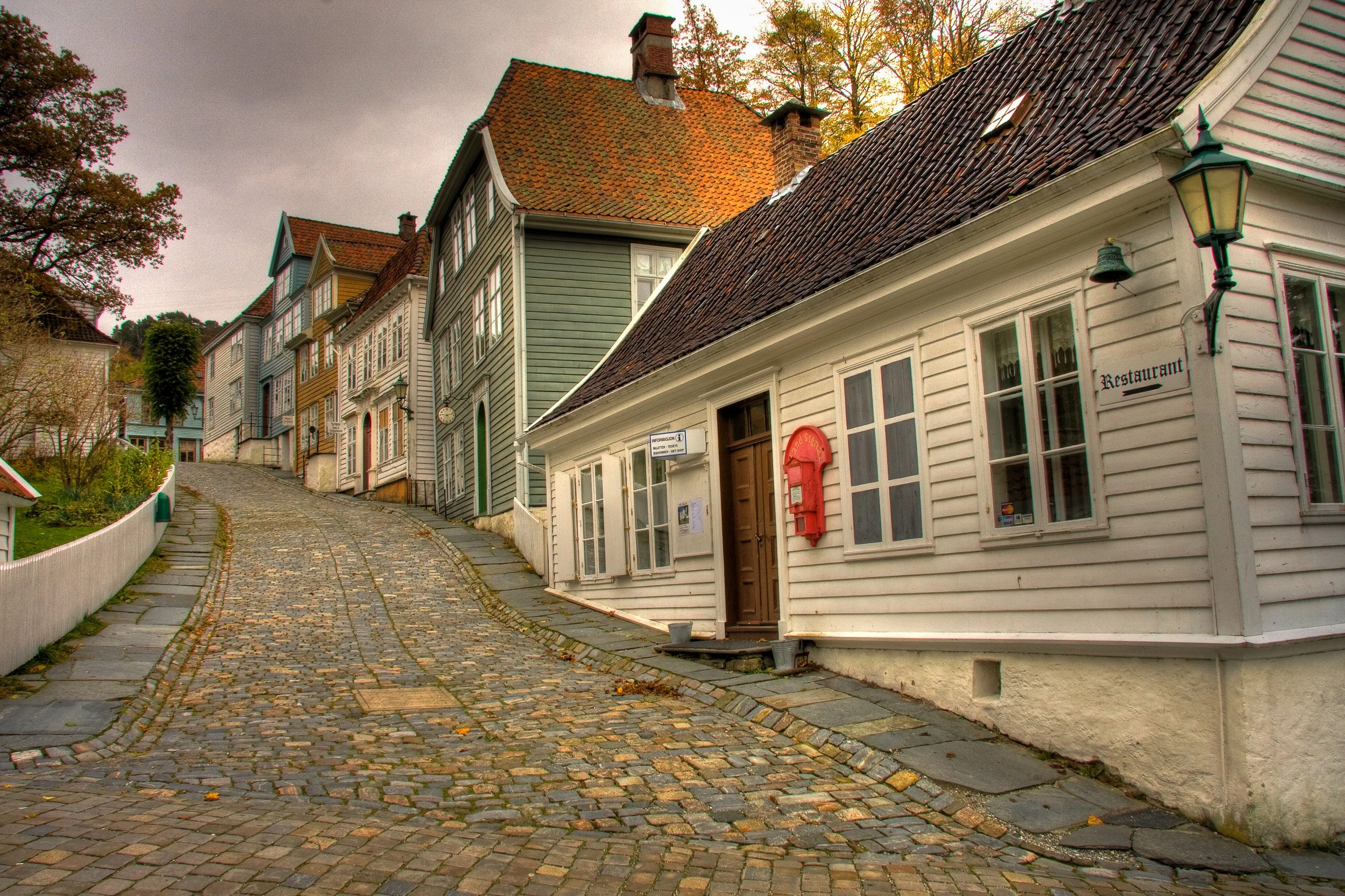
Gamle Bergen

In the 19th century, Bergen was Europe’s largest city consisting of wooden houses, and its busy, steep and densely built-up streets, squares and alleyways gave it a unique character. Old Bergen is a reconstructed town with approx. 50 wooden houses from the 18th, 19th and 20th centuries.

Gamle Bergen

Here you will find private homes from various periods, as well as a number of shops and workshops. Old Bergen is an idyllic reminder of what Bergen used to be like, and a guided tour of the houses is a fascinating, entertaining and family-friendly experience.

Gamle Bergen

Mount Fløyen

View of Fløyen from the air (chopper) in August 2009.

Fløyen

View of Fløyen from the air (chopper) in August 2009.

Mount Ulriken - Vidden

Mount Ulriken is a good starting point for hikes. A popular, but long and quite hard hike, is to Mount Floien and it takes approx. 4 hours to walk. Mount Ulriken is higher than Mount Fløyen, but it is a lot of "ups and downs" between these two mountains.

Mount Ulriken - Vidden

In winter time.

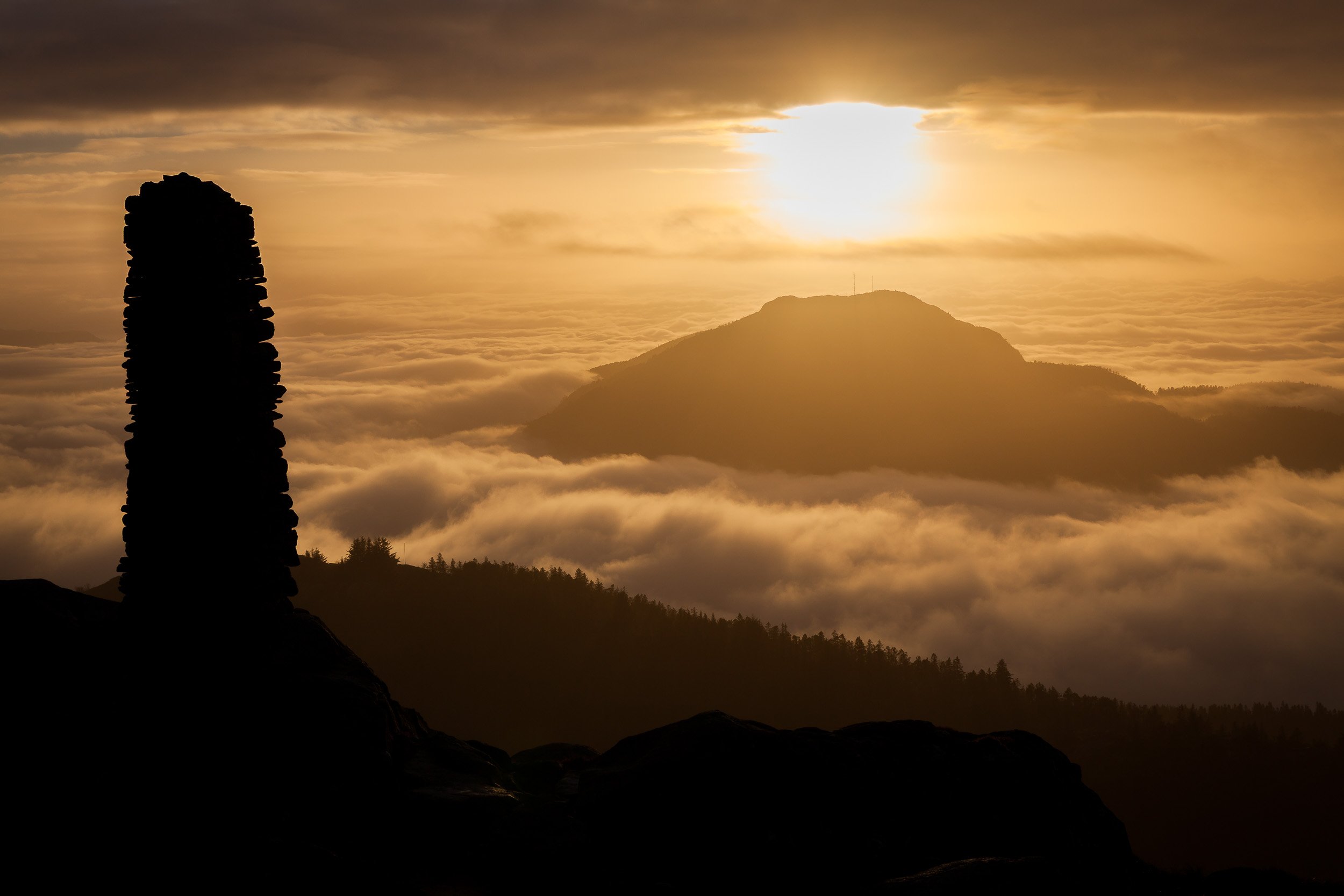
Mount Ulriken

Sunset in winter time.

Mount Ulriken

The hiking track from Montana to Mount Ulriken.

Mount Ulriken

TV-tower in front of the city a beautiful afternoon in November 2007.

Mount Gulfjellet

Mount Gulfjellet

Mount Gulfjellet

View from the top (987m)

Redningshytten at Mount Gulfjellet

Rescue cabin at Mount Gulfjellet

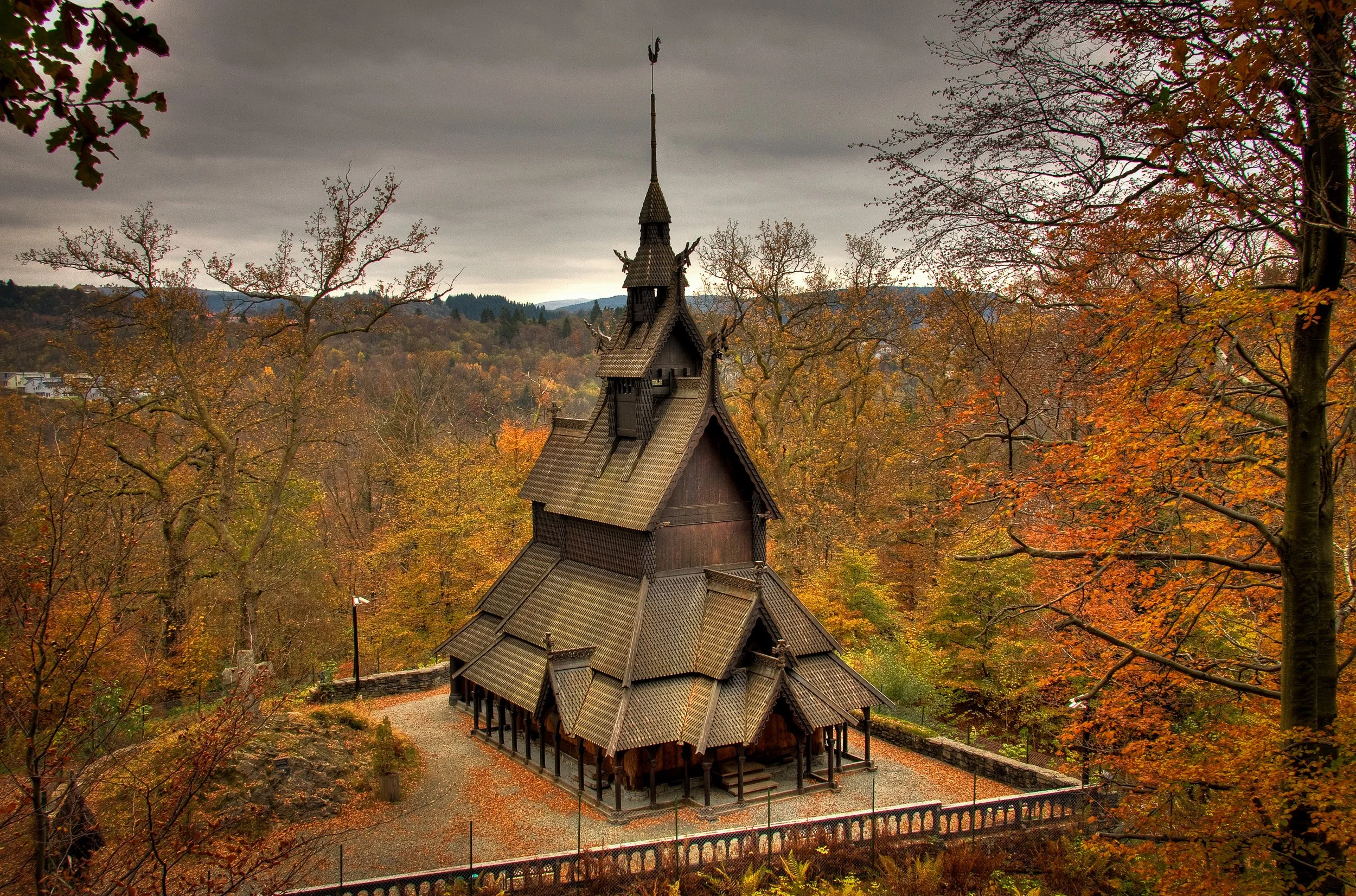
Fantoft stave church

Fantoft stave church (Fantoft stavkirke) is a reconstructed stave church. It was originally built in Fortun, a village near inner (the eastern end of) Sognefjord around the year 1150. In the 19th century this church was threatened by demolition as were hundreds of other stave churches in Norway. The church was bought by consul F. Gade and saved by moving it in pieces to Fantoft near (now in) Bergen in 1883. On the 6 June 1992 the church was totally destroyed by arson.

Fantoft stave church

Autumn at Fantoft stave church

Fantoft stave church

Fantoft stave church by night.

Storetveit kirke

Sandviken

Sandviken from the air (chopper) in August 2009.

View of Bergen

From Sandviken

Mount Sandviken

Mount Sandviken

Mount Sædalen

View from Mount Lyderhorn

Brann Stadion

Brann Stadion is a football stadium in Bergen. It was constructed in 1919, and has been the home of the football club S.K. Brann ever since. The record attendance dates from 1961, when Brann hosted Fredrikstad in front of 24,800 spectators. Brann Stadion in October 2006 had a capacity of about 19,400, of which 15,400 are seated, but since then reconstruction work has started on one of the stands. A redevelopment project is underway, aimed at increasing the capacity to over 20,000. Brann Stadion has the third largest attendance capacity in Norway.

Buekorps

Buekorps (literally "Bow Corps" or "Archery Brigade") are traditional marching youth organizations in Bergen. The tradition, which is unique to Bergen, dates back at least to the 19th century when children would imitate the adult militia soldiers performing close order drill.

Nesttun

Nesttun was the administrative centre in Fana municipality, which was absorbed into Bergen in 1972. The area has several shops and a library. Previously Nesttun was a train station on Bergensbanen and Nesttun-Osbanen.

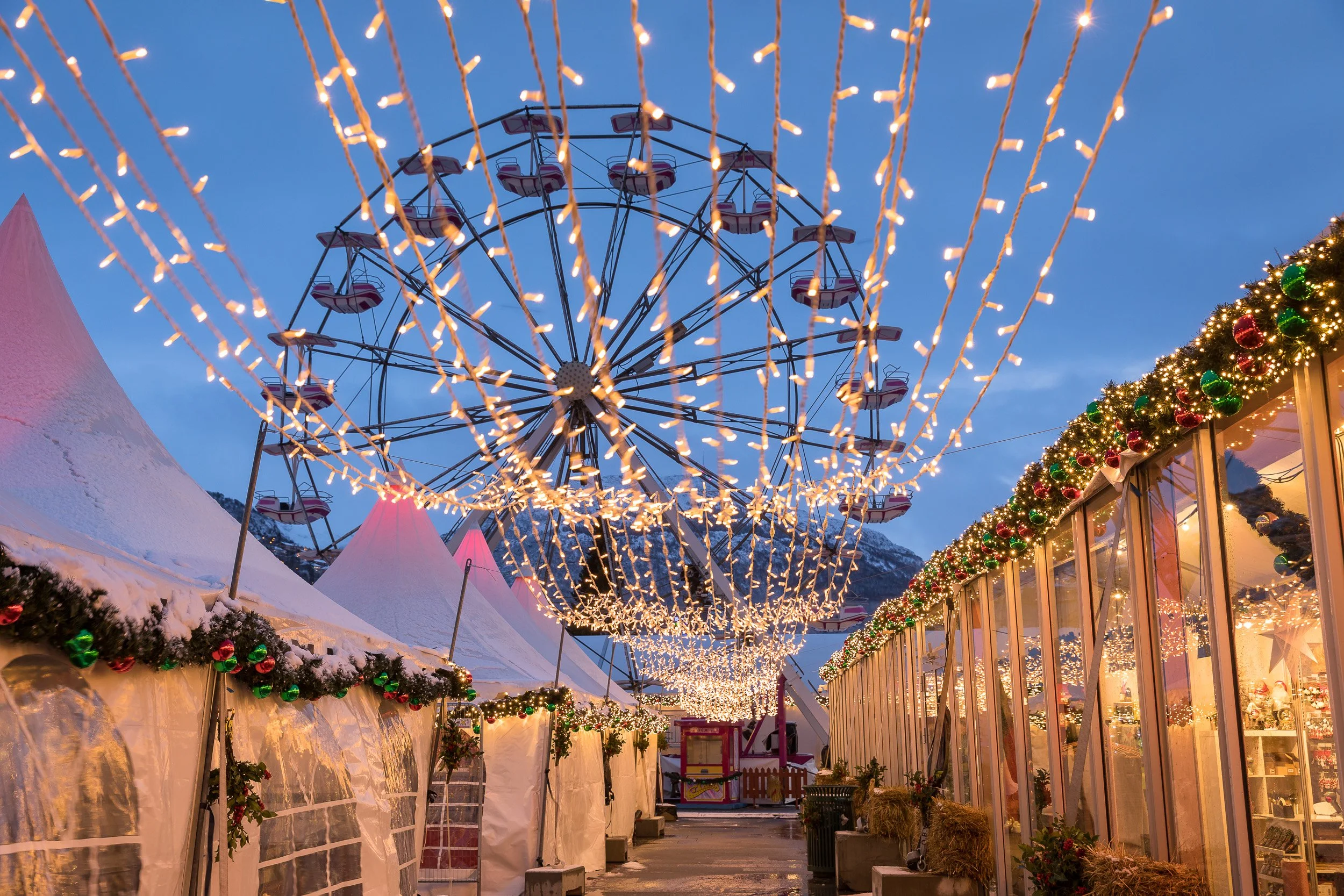
Christmas in Standgaten

Christmas in lille Lungegårdsvann

Christmas tree in Lille Lungegårdsvann.

Christmas in lille Lungegårdsvann

Bergen

Møhlenpris

View of Møhlenpris from the air (chopper).

Golta

About one hour by car west of Bergen you find Golta.

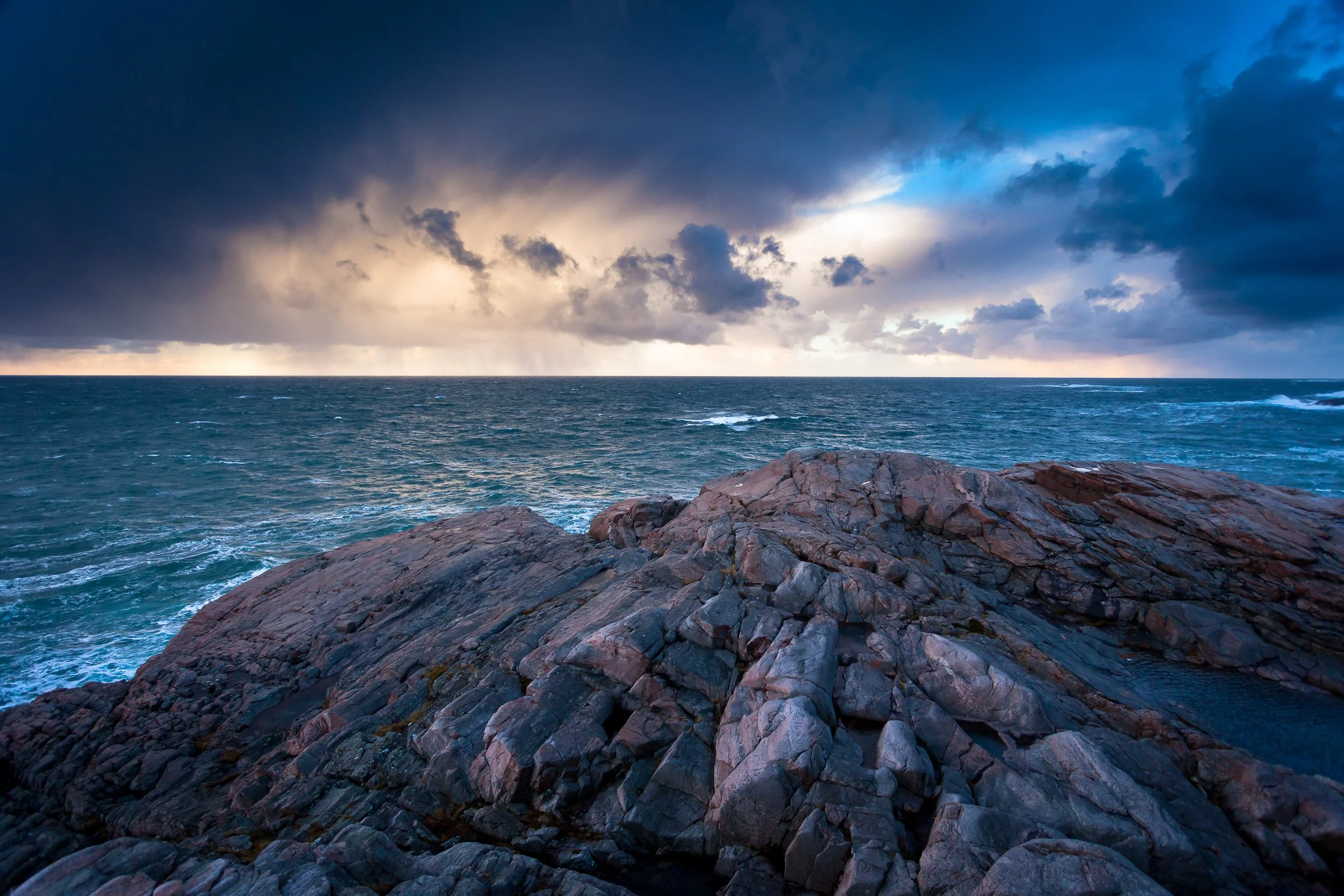
Kvaløyna - Turøy

About one hour by car west of Bergen you find Turøy.

Kvaløyna - Turøy

Big waves from the ocean.

Marsteinen

Sunset at Marsteinen lighthouse

Sunset view from Gamlehaugen

A beautiful afternoon in December.

Sunset view from Gamlehaugen

A beautiful afternoon in December.

Arenum

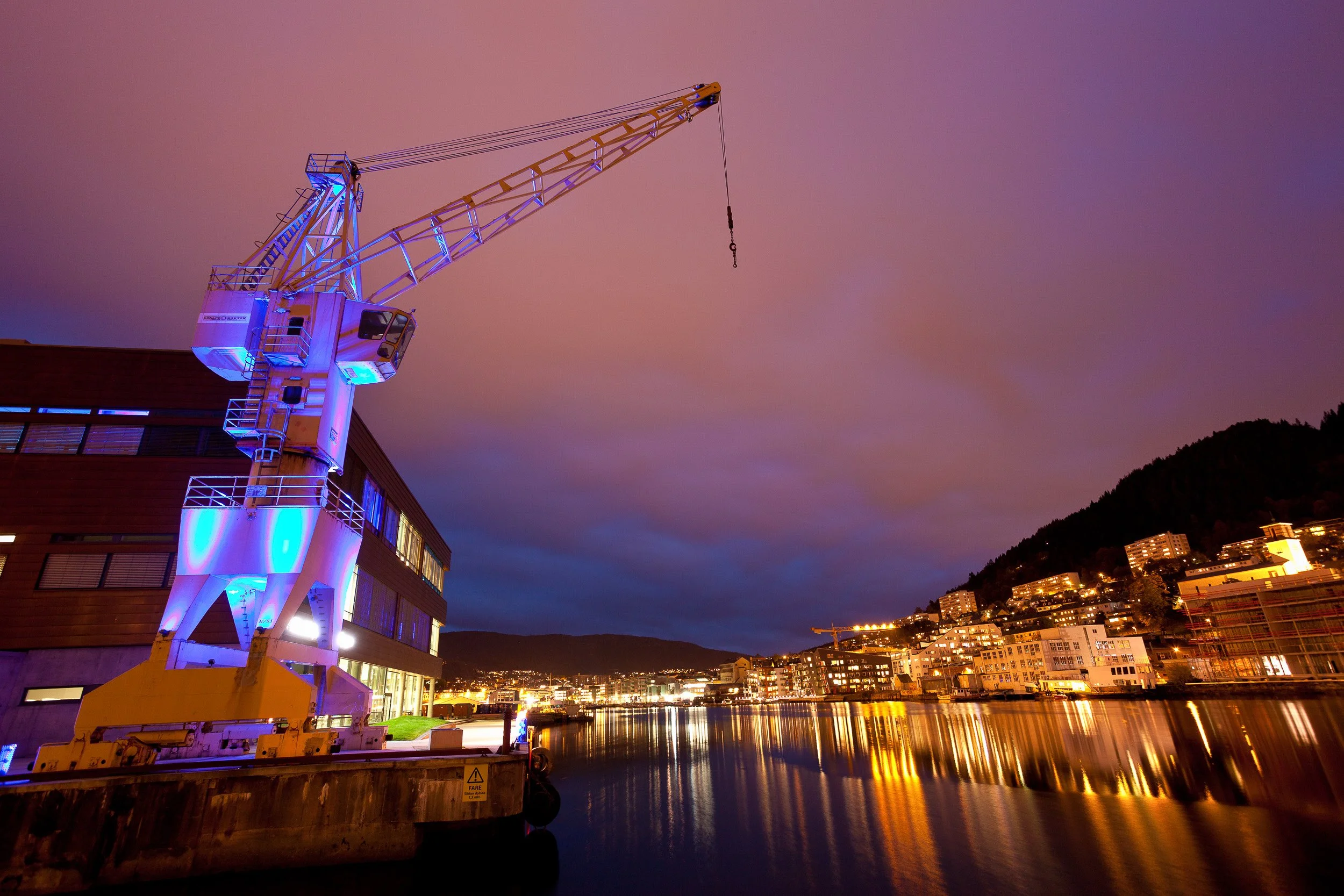
Kranen Solheimsviken

Sunset at Helleneset

Bergen - the most beautiful city in the world!

© Copyright on all photos.


 Other Photo albums